Desire, erections, and health
PT-141 brought a little more desire, along with common nausea
Palatin developed bremelanotide to help sexual response after earlier tanning research revealed sexual effects. Women later reported small gains, but men's use remains unapproved.

Women felt some relief from lost desire, within a narrow approval
Palatin sought to help sexual response by developing PT-141 from an earlier tanning drug. The medicine acts through the brain, where sexual interest and arousal begin. FDA, the agency that reviews medicines, approved bremelanotide in June 2019 for certain women. Those women haven't reached menopause, when monthly periods end, and their loss of sexual interest persists and causes distress.
The women's interest in sex was normal before the problem began. Their loss of desire affects different situations, rather than just time with a particular partner. Men's use, erection trouble, and use after menopause haven't been included in approval. You can read people's accounts of benefits and discomfort, but those accounts can't prove what caused a change.
The drug can increase activity in brain cells governing both hunger and sexual interest. Related cells also help govern how dark the skin becomes. You may hear about greater desire, less hunger, or patches of darker skin. None of those effects means the medicine will help your own sexual problem.
The PT-141 studies found small gains in women’s interest in sex
Women receiving PT-141 wanted sex slightly more and felt less troubled by low desire [3]. The two Phase 3 studies, large studies carried out before approval, enrolled 1,267 women before menopause. Women used 1.75 milligrams when needed, through an injection just below skin. Over 24 weeks, the gains exceeded those with placebo, an injection with no drug in the liquid [3].
Question 13 asked women how bothered they felt about their lack of sexual desire. Women taking the medicine reported less bother, though the difference between groups was small. Chance alone was unlikely to explain the difference, but other researchers questioned its practical value. You can't know from these group results how much relief you would feel.
Women later took part in 52-week follow-up while knowing they received the medicine [4]. A separate study examined women's brain activity with scans during tasks involving sexual images [5]. The approved instructions describe the benefits and risks a doctor must consider [6]. The papers listed here give you more detail about each kind of evidence.
Approval for PT-141 covers certain women distressed by a lasting loss of desire before menopause. Men's erection problems, use after menopause, and attempts to improve sexual performance remain outside approval. Doctors call use beyond an approved purpose off-label; that purpose hasn't received approval. You can check who the approval covers when someone claims the medicine treats another problem.
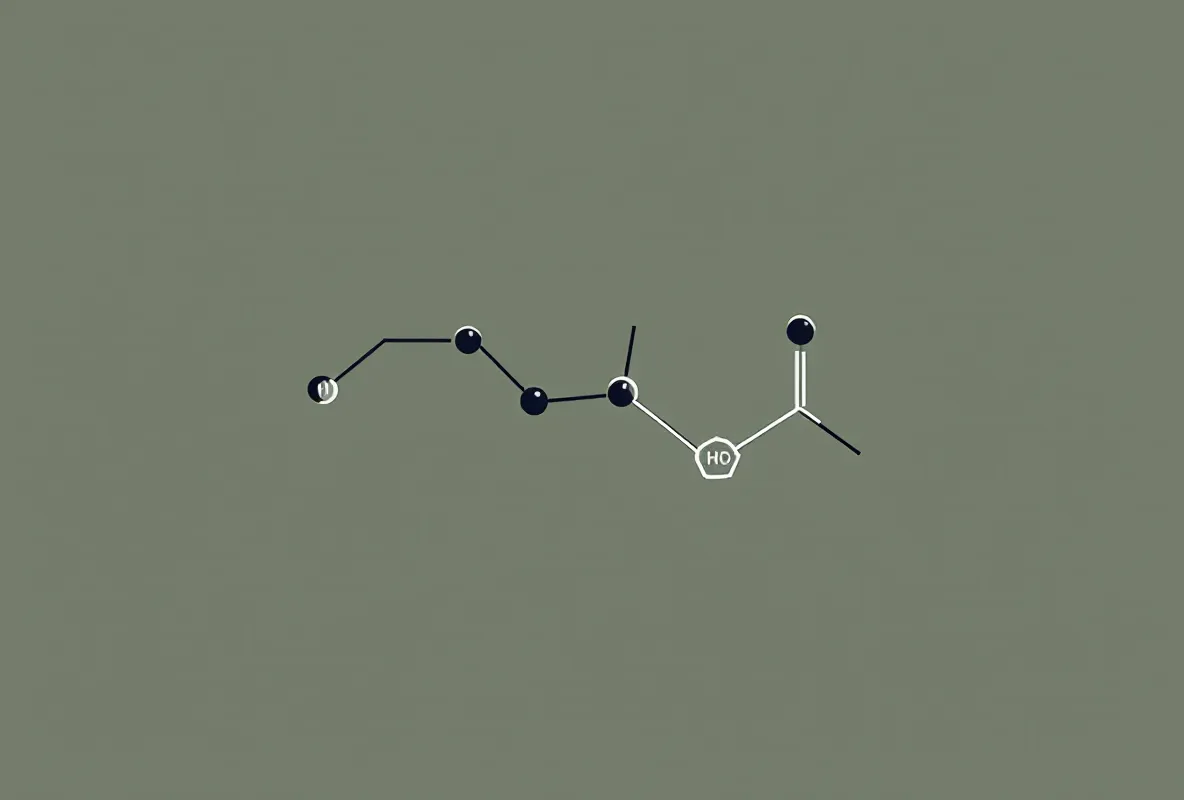
The PT-141 peptide has seven amino acids joined in a ring
The PT-141 peptide contains seven amino acids, pieces from which proteins are made [1]. Researchers joined those pieces in a ring, which resists breaking apart. They based PT-141 on a hormone, which carries chemical messages around the body. That natural hormone helps control skin color, so the skin effects have a known reason.
In the early studies, the medicine went by the name PT-141. The approved medical instructions call PT-141 by the drug name bremelanotide. The finished injection is checked as a medicine, including its contents and strength. A lab vial with the same name doesn't assure you of those checks.
How PT-141 works: brain messages can strengthen desire
PT-141 affects the brain's part in wanting sex and becoming physically aroused [1][2]. Researchers think the drug strengthens messages carried by dopamine, a chemical used by brain cells. Stronger messages may increase the wish for sex, rather than only a response to touch. You can want sex and still have difficulty getting or keeping an erection.
Sildenafil and similar erection pills make blood entry into the penis easier. Doctors group these pills under the name PDE-5 inhibitors, meaning medicines that improve erection blood flow. PT-141 acts on sexual interest and arousal by affecting another part of your body. The PT-141 comparison with PDE-5 pills explains why researchers tested both kinds together.
In female rats, a related drug increased efforts to seek sex without increasing general movement [2]. That finding concerned rats, so the result doesn't tell you what women would feel. In 31 women, a PT-141 brain-scan study found stronger desire lasting up to 24 hours [5]. Read how PT-141 works in these tests to understand the changed brain activity and why scans can't predict your response.
A doctor needs your health history to judge treatment risks
You may want to know whether a small PT-141 desire gain would matter to you. PT-141 studies describe benefits across women whose health may differ from yours, while people's accounts on the side-effects page weren't checked through the studies and can't predict your own response. Feeling better in someone else's account doesn't tell you how safe the medicine would be for you.
This site has no medical staff, clinic, or service that provides prescriptions. Your doctor needs your heart history, usual blood-pressure readings, and a list of medicines. You can read about PT-141 for men, PT-141 dosage findings, and PT-141 half-life, meaning how quickly half the drug clears. Those findings can inform a discussion, but your health needs a separate assessment.